KITCHEN TRENDS 2026
The Kitchen Trends That Will Shape 2026
& How They Will Change the Way You Live
If you've stepped into your kitchen recently and thought, This space doesn't quite reflect us anymore, you're far from alone. The role of the kitchen has changed more in the last few years than it did in the previous two decades, and the spaces we create now are evolving to catch up. The crisp, minimalist, white-on-white interiors that once dominated our screens are steadily making way for rooms that feel warm, textured, expressive, and undeniably personal.
In 2026, the kitchen is not just for cooking, it's where work, family life, conversations and quiet moments all overlap. Where we look to relax, entertain, and enjoy mealtimes in comfort.
Whether you're thinking about renovating your current kitchen or simply curious about where new kitchen designs are heading, here's what will define the kitchen of 2026, and why these changes feel more like a natural progression than a passing trend.
Warmth, Depth and Texture Take the Lead
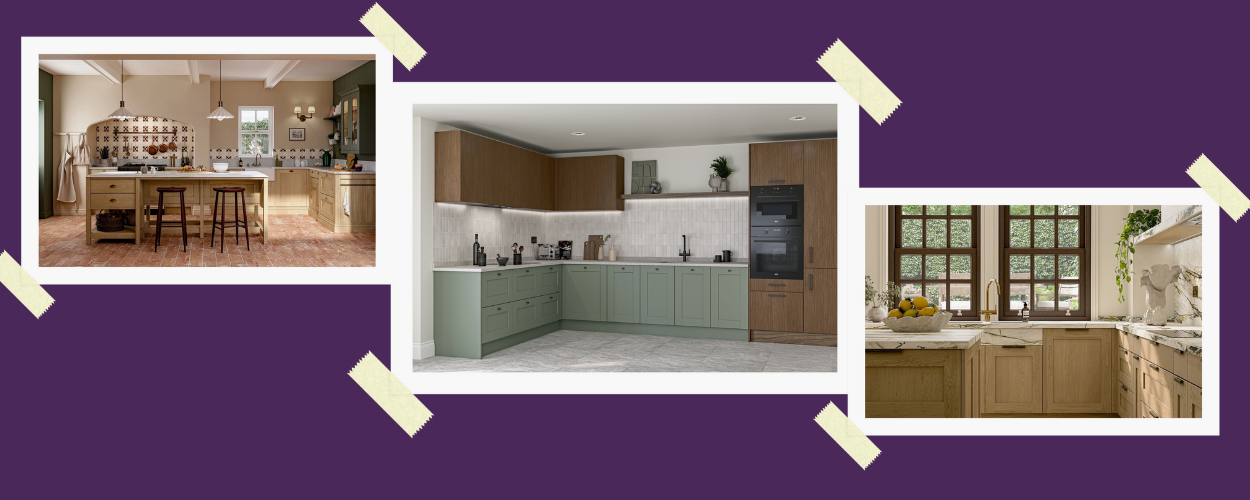
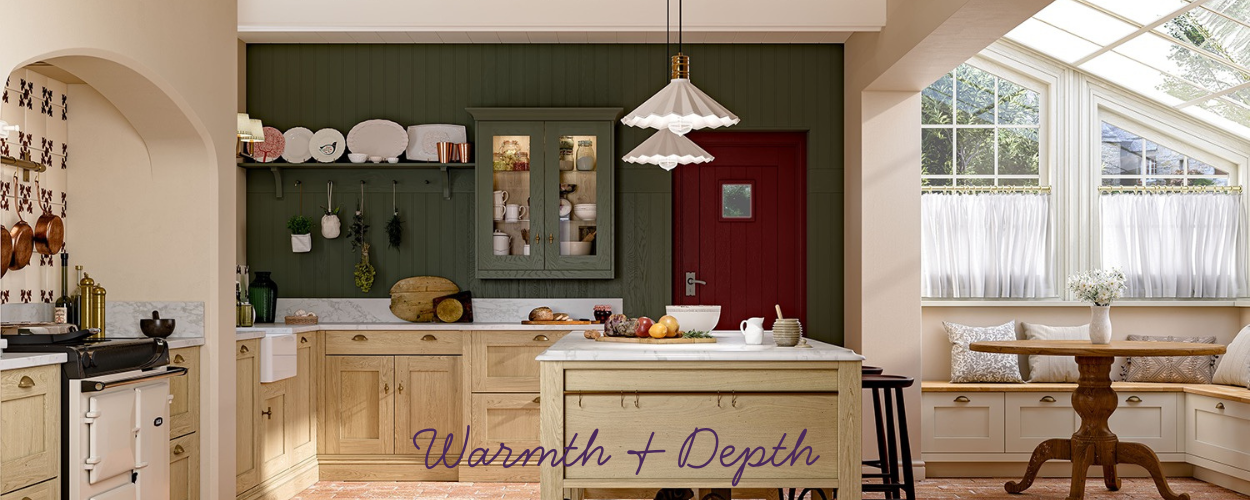
One of the most noticeable shifts is visual. Homeowners are moving away from stark, cool spaces and embracing something richer. Natural timber, particularly light oaks and deep walnut, is returning with a calmer and more refined feel than the rustic look associated with the farmhouse era.
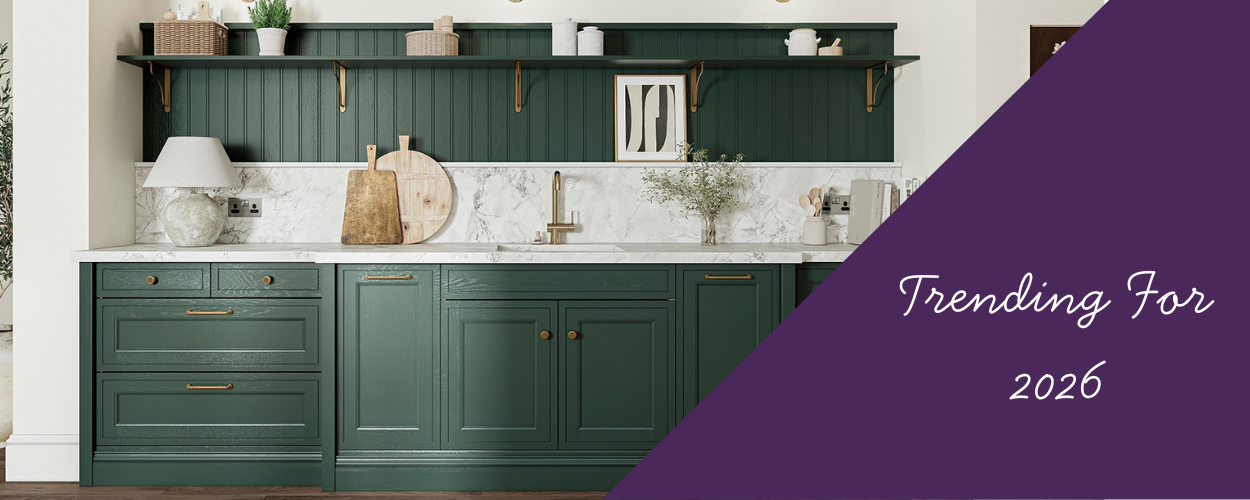
Colours are growing bolder, not just on an island or pantry door, but across entire cabinetry walls. Gentle botanical greens, dusky clay neutrals, soft mushroom tones and smoke greens are appearing in kitchens that want personality without being overpowering.
The biggest story of all is texture. Ultra-matt finishes, handcrafted tiles with subtle imperfections, stone with dramatic movement and aged metals are making kitchens feel more layered and tactile. It's a direct response to years of flat, glossy surfaces and perfectly smooth planes. Even contemporary kitchens now include something tactile to soften their edges, because homeowners want rooms that feel comfortable and human, not clinical.
Layouts That Reflect Real Life, Not Just Aesthetic Ideals
Alongside the visual shift is a practical realisation: the kitchen truly is the most used space in the home. It's where children do homework, where laptops are opened in the evening, where relatives return for more extended visits, and where pets weave into the conversation.
The kitchen island remains central not merely as a cooking station, but as a place that naturally holds family life together. It has become a workstation, breakfast bar, meeting spot and entertainment space depending on the time of day.
The open-plan kitchen layout that once promised connection has matured, too. Broken-plan kitchen living offers the best of both worlds, the sense of openness without the noise and exposure of one vast uninterrupted space. Glass partitions, freestanding bookcases and half walls allow people to be part of the atmosphere while still keeping a little privacy, which is especially valuable when families have different needs happening at the same time.
Homeowners are also creating small lifestyle-driven zones rather than one ample multi-purpose space.
A dedicated coffee corner, a quiet reading nook, a charging drawer hidden neatly within cabinetry or a spot designed for pets to eat without tripping anyone up, none of these ideas require rebuilding your home. Still, they make daily routines easier and more enjoyable.
It's a shift towards designing kitchens from the inside out, based on what truly happens in them.
Personality, Heritage Influence and Calmer Surfaces
After years of minimalism, people are ready for rooms that reflect who they are. Modern maximalism doesn't mean clutter; it implies character. It might be a display of handmade pottery, a favourite artwork, a large statement pendant, or simply allowing a slight imperfection to show.
Younger homeowners are embracing this most quickly, but the desire for warmth and soul spans generations.
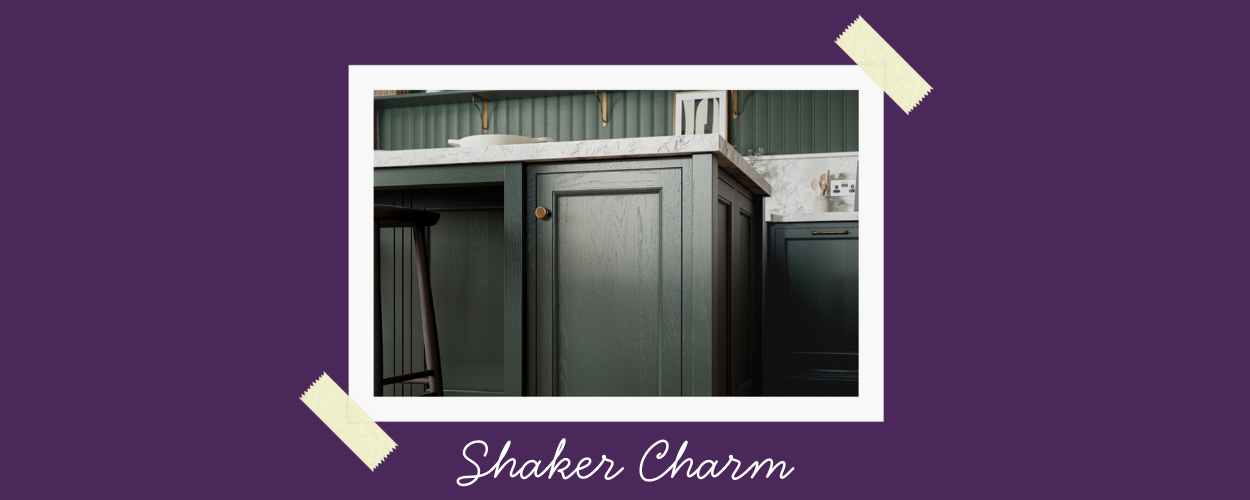
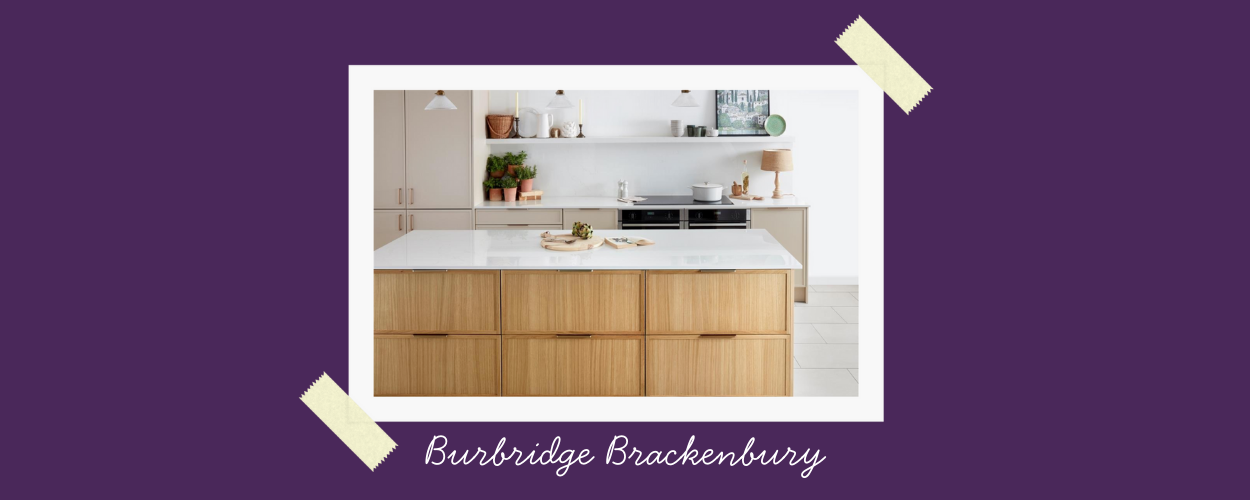
Vintage touches are becoming more sought after because they offer familiarity and charm. Think shaker kitchen profiles; for 2026, the super-skinny shaker frame as seen in the Burbridge Brackenbury; the continued popularity of mock-in-frame designs; farmhouse sinks; Parquet floors; and reclaimed wood furniture alongside modern technology.
It's a blending of old and new design trends and aesthetics that feels rooted rather than themed, a reminder that kitchens are not just built for today but are part of the memories that form over the years.
Kitchen Storage with Style, The Return of The Corner Larder Units
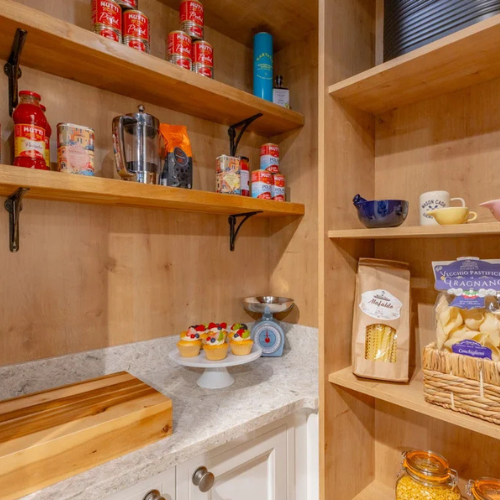
Corner larder units have become a sought-after addition to modern kitchen design in 2025 and beyond, because they solve one of the biggest frustrations in the home: unused or awkward corner space. Instead of relying on deep, dark cupboards where items disappear and reorganising becomes a chore, homeowners are opting for larders that transform corners into easily accessible, beautifully organised storage.
Their appeal goes beyond practicality; a corner larder brings a sense of calm to the kitchen by keeping worktops and everyday zones clutter-free. With pull-out shelves, integrated lighting and tailored configurations for baking goods, coffee stations, or family snacks, these units support the growing trend for new kitchens that reflect lifestyle, not just layout.
Kitchen Pantries Continue to Be On-trend for 2026
They also complement the return of larger, statement kitchens with traditional influences, offering the charm of a classic pantry without taking over valuable wall space. As more households lean towards bulk buying, sustainable habits and reducing food waste, the ability to clearly see, store, and access ingredients makes a tangible difference.
In short, corner larders and modern kitchen pantries are being incorporated because they blend style, innovative use of space and better daily living, making them a feature that feels both current and genuinely useful. You can view a modern corner larder on display in our new kitchen display showroom in Solihull.
Kitchen Cabinets Housing Appliances
Custom kitchen cabinetry designed specifically to conceal appliances has become one of the most influential design choices in recent years, driven by the desire for clean, uncluttered spaces that feel calm and cohesive. As kitchens increasingly form part of open-plan or broken-plan living, homeowners want the practicality of modern kitchen appliances without the visual noise they create.
Bespoke kitchen cabinetry allows everything from mixers and air fryers to coffee machines and microwaves to be hidden behind beautifully crafted doors, keeping the worktops clear and the aesthetic uninterrupted. You can see examples of these in both the Redditch and Solihull kitchen showrooms.
Tailored kitchen storage solutions are more than a visual upgrade. They support better home organisation, reduce dust and grease build-up and help maintain a serene, considered atmosphere, especially in kitchens that double as social or work spaces. Many cabinet designs now include bi-fold or pocket doors that slide away discreetly, internal drawers for accessories, integrated plug points and lighting, and shelves set at the perfect height for everyday use.
This hidden-away approach reflects a growing expectation for the kitchen to perform exceptionally while appearing effortless. By storing appliances out of sight but within easy reach, custom cabinetry allows the kitchen to shine as a beautifully designed space without sacrificing the convenience of modern living.
Kitchen Lighting Trends for 2026:
Designing With Mood, Materials and Multi-Purpose Living in Mind
Lighting has become one of the most transformative design elements in the modern kitchen, and the trends shaping 2026 reflect how our lifestyles, homes and daily routines continue to evolve.
Rather than relying on a single ceiling fixture to illuminate the entire room or on ceiling LED lights, kitchen designers are embracing layered lighting that offers flexibility and atmosphere. Homeowners want spaces that adapt seamlessly, from bright task lighting for cooking to softer illumination for hosting, dining, or simply winding down, and this layered approach is becoming a core part of future-focused kitchen design.
One of the most noticeable shifts is the emergence of lighting as a sculptural and expressive feature. Fixtures are no longer chosen just for practicality; they are being selected to make a statement, acting almost like art suspended in the heart of the home. Oversized pendants, curved silhouettes and organic shapes reflect a move toward softer, more welcoming aesthetics, showing how lighting can anchor a space both functionally and visually.
This approach allows personality to shine through in a subtle yet stylish way. We are huge fans of the BORA lighting range, which we have installed in our Solihull new kitchen showroom.
Warm, ambient lighting is also replacing the harsher, cooler tones that were once standard in kitchens. Designers and homeowners alike are favouring lighting that complements natural materials and adds a sense of comfort and warmth. This trend supports the wider design movement toward kitchens that feel more like living spaces, places within the home not just for cooking, but for spending time, socialising and enjoying.
Warm lighting can enhance textures, highlight architectural features, and create a sense of tranquillity that complements the layered lighting structure.

Materials themselves are becoming part of the lighting conversation.
Fixtures that mix wood, metal, glass, and even stone reflect a tactile, detail-driven approach that aligns closely with current kitchen cabinetry and worktop trends. Handcrafted finishes, textured shades and natural elements bring depth and a bespoke feel, allowing the lighting to integrate seamlessly with contemporary interior palettes.
Finally, smart technology continues to shape lighting in subtle yet efficient ways.
With adjustable LEDs, dimmable systems, and integrated under-cabinet lighting, kitchens are ready for whatever the day requires. With so many households using the kitchen for work, homework, entertainment and everyday living, the ability to change the lighting quickly and intuitively supports the pace of modern life. Flexibility is at the heart of the lighting trends emerging for 2026, helping modern kitchens become more intuitive, efficient and future-proof.
Together, these shifts capture an evolution in how new kitchens are imagined, lighting is no longer an afterthought but an essential design tool, shaping spaces that feel warm, adaptable and beautifully connected to the people who use them.
Sustainability and Technology Designed In From the Start.
We've moved past treating sustainability and technology as add-ons. They are now integral to the planning stage. Smart appliances that learn your habits, fridges that help reduce waste and ovens that guide you through recipes were once considered futuristic; today, they are becoming standard.
Eco-focused decisions, from natural surfaces to energy-efficient kitchen appliances and low-water usage taps, are priorities, particularly among younger homeowners who see their kitchen as a long-term investment, both for their home and the planet.
Even the modern kitchen sink area is evolving. What was once a functional necessity is now a workstation in its own right, with taps offering chilled, filtered, boiling or sparkling water and sinks designed to hold chopping boards and strainers. This once-overlooked corner is now treated as both practical and beautiful, another sign that the kitchen is being considered a holistic space rather than a collection of separate parts.

Quooker taps have been a driving force in this shift. No longer reserved for luxury homes, they have become a desirable standard for busy households that want convenience without compromising design. With instant boiling water for cooking, energy-efficient technology and child-safe features as standard, they are replacing the kettle entirely and clearing valuable worktop space. The addition of sparkling and filtered options means the tap is now a multi-purpose tool that reduces reliance on bottled water, supports more sustainable habits and improves the everyday kitchen experience. In many new kitchens, the Quooker has become the ultimate lifestyle upgrade, subtle, sleek and transformative in how we use the sink zone day to day.

A New Appreciation for the Kitchen Countertop
Finally, the countertop has moved from utility to centrepiece. Dramatic stone and porcelain with vivid veining are reshaping the kitchen's visual direction. Many kitchen designers suggest choosing worktops first because they anchor the room and naturally influence the rest of the kitchen palette. Mixing materials, stone on the island and quartz elsewhere, offers the best of both worlds: impact where it counts and durability where it's needed most.
The Kitchen of 2026:
A Warm, Personal and Functional Reflection of Real Life
If you were to sum up the direction of kitchen design for 2026, it would be simple: spaces designed with warmth, built for real living and filled with personality. These changes aren't about chasing a trend; they're about rethinking what the kitchen means to the home, and those who live in it.
Whether you're planning a complete kitchen renovation or refreshing a few key elements, focusing on texture, comfort, sustainability, and individual expression will create a kitchen that feels current today. Still, timeless in spirit, a space that grows with you, supports you and tells your story.