
Almond Kitchen Trend
The Almond Kitchen Trend: Why Warm Neutrals Are Taking Over in 2026
For years, white, grey and cool-toned kitchens dominated interior design. In 2026, however, homeowners are moving towards something warmer, softer and considerably more inviting.
Enter the almond kitchen, a choice that can make your space feel warmer, more inviting, and adaptable to your style.
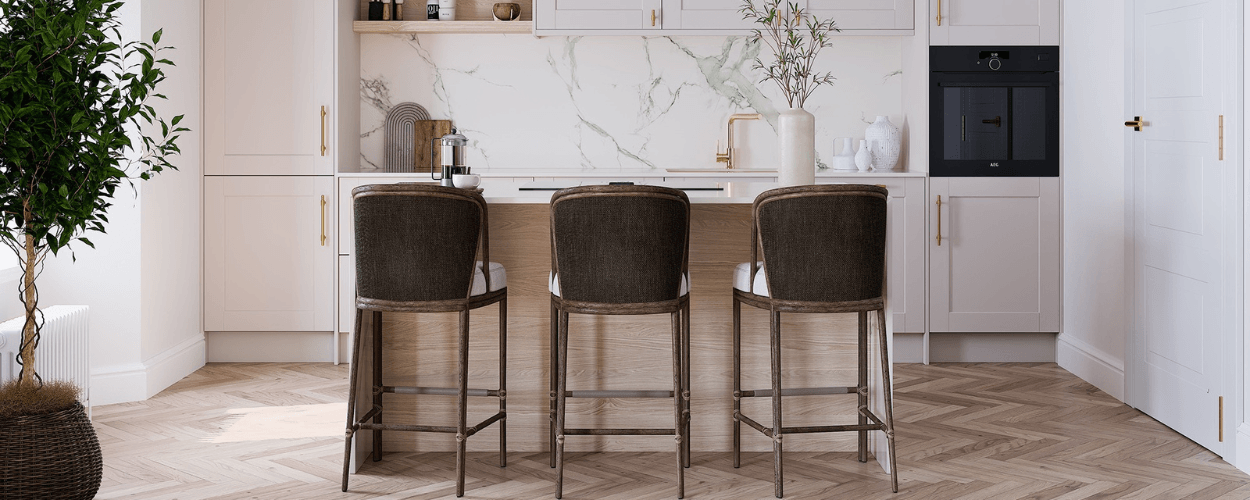
Almond kitchen cabinetry sits somewhere between cream, beige and cashmere, offering a warm neutral finish without feeling overly traditional. It brings light into the new kitchen while avoiding the clinical appearance sometimes associated with brilliant white units.
Whether used across a complete kitchen design or combined with natural timber, stone and deeper accent colours, almond is emerging as one of the most versatile kitchen colours of 2026.
What Does an Almond Kitchen Look Like?
Almond is a soft, milky beige with subtle golden or nutty undertones. It is warmer than greige, less yellow than traditional cream and usually lighter than many cashmere kitchen finishes.
However, there is no single almond shade.
Depending on the kitchen manufacturer, similar colours may be described as almond cashmere, warm beige, oatmeal, putty, linen or mushroom. The undertone can also vary, with some almond units appearing slightly pink, taupe, or creamy under different lighting conditions.
This variation is why viewing kitchen doors and worktop samples in person is so important, helping you feel assured of your colour choices in your own space.
Why Are Almond Kitchens Popular in 2026?
The almond kitchen trend is part of a wider movement towards warmer, more natural interiors.
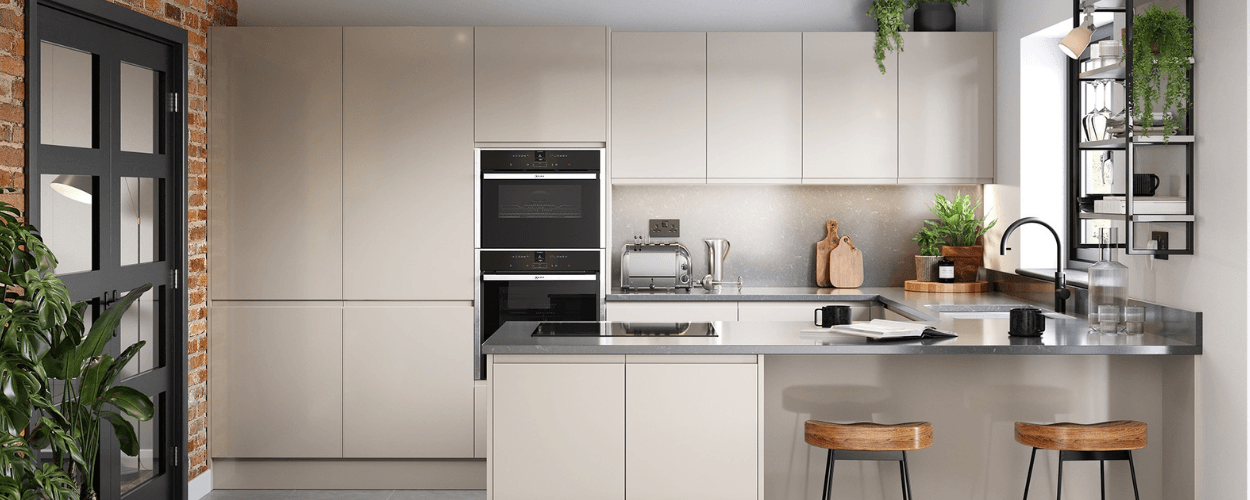
Many homeowners still want the flexibility and longevity of a neutral kitchen, but they are moving away from rooms that feel cold, stark or overly minimal. Almond provides a softer alternative, creating a kitchen that feels calm and contemporary without lacking personality.
It also works particularly well with the tactile finishes becoming more prominent in new kitchen design, including natural wood, softly veined stone, handmade-effect tiles and brushed metals.
The result is a kitchen that feels considered and elegant, but also comfortable enough for everyday family life.
Almond, Cashmere or Cream?
Although these colours are closely related, they create slightly different effects.
Cream kitchens often have more noticeable yellow undertones and are typically associated with traditional or country-style interiors. Cashmere tends to contain more grey or taupe, giving it a slightly cooler and more understated appearance.
Almond sits between the two.
Almond's ability to suit both modern and traditional styles, from sleek handleless units to painted Shaker kitchen doors, highlights its versatility for different interior preferences.
For homeowners who like cashmere kitchens but want something a little warmer, almond can provide the ideal compromise.
The Best Worktops for Almond Kitchen Cabinets
Choosing the right worktop helps define the overall character of an almond kitchen.
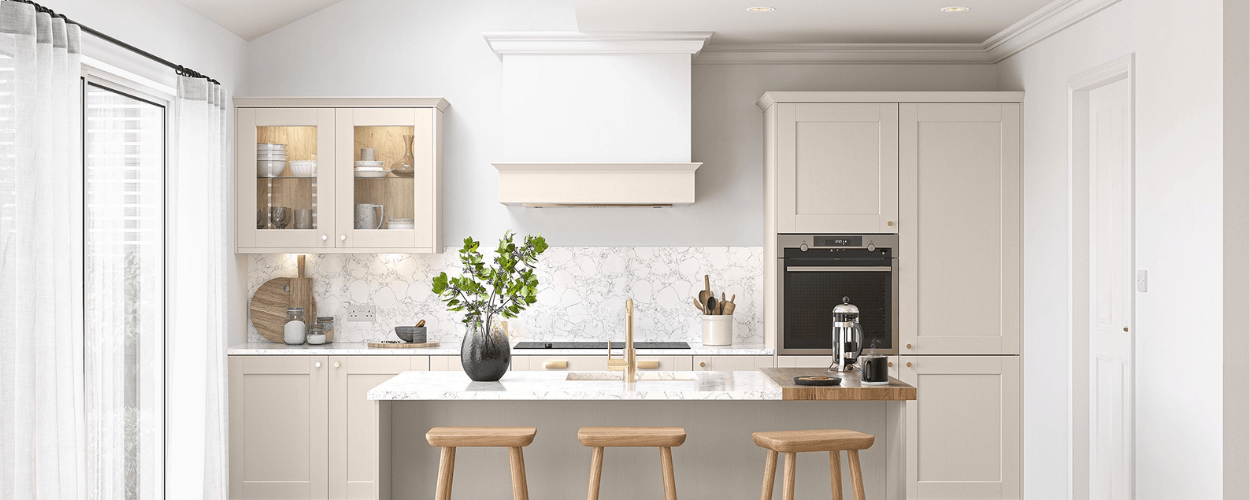
Warm white quartz is a popular option because it keeps the room feeling bright while creating a softer contrast than brilliant white. Worktops with gentle gold, caramel or taupe veining can also connect beautifully with the warm undertones in the cabinetry.
For a more natural appearance, consider stone-effect surfaces in limestone, travertine or soft beige tones. These finishes support the earthy quality of almond without making the room feel too uniform.
Darker worktops can also work well. Deep brown, charcoal or black surfaces introduce contrast and can give almond cabinets a sharper, more architectural finish.
Pair Almond with Natural Wood
Almond and wood are a particularly strong combination.
Light oak adds texture while maintaining an airy, relaxed appearance. It can be introduced through open shelving, flooring, breakfast bars or selected kitchen cabinets.
Walnut creates a richer contrast. An almond kitchen paired with a walnut island or bank of tall units can feel sophisticated and luxurious without becoming dark or overpowering.
Combining the two materials is also a useful way to break up a larger kitchen. Rather than using one finish across every cabinet, almond can provide the calm foundation while timber adds depth and character.
Colours That Complement an Almond Kitchen
One of almond’s greatest strengths is its flexibility.
For a light, tonal scheme, pair almond cabinets with warm white walls, oatmeal furnishings and pale timber. This creates a calm, cohesive kitchen that relies on texture rather than on strong colour contrast.
Earthy greens, including sage and olive, complement almonds particularly well. They reinforce the natural character of the palette and can be introduced through a kitchen island, painted walls or accessories.
Terracotta, clay, and muted brown tones can add warmth, while burgundy, dark green, or chocolate brown can create a richer, more dramatic scheme.
Matt black, bronze and charcoal details can also be used sparingly to give the kitchen a contemporary edge.
Which Handles and Finishing Touches Work Best?
Brushed brass, antique brass and bronze handles highlight the warmth of almond cabinetry and create an elegant finish.
For a more understated look, consider brushed nickel or handles that closely match the cabinet colour. Handleless almond kitchens can feel particularly streamlined, especially when combined with integrated appliances and minimal worktop detailing.
Texture is also important. Handmade-effect splashback tiles, fluted glass, timber shelving and softly patterned stone can prevent a neutral kitchen from feeling flat.
Rather than adding numerous colours, the strongest almond kitchens often create interest through a carefully chosen mixture of surfaces.
Does Lighting Change the Appearance of Almond Cabinets?
Like most warm neutrals, almond can look different throughout the day.
In a bright, south-facing kitchen, its creamy or golden undertones may become more noticeable. In a north-facing room, the same cabinetry may appear closer to taupe or cashmere.
Artificial lighting can also influence the finish, allowing you to create a cosy or bright atmosphere that matches your mood and style.
At Plum, we always recommend considering samples alongside your flooring, worktops and wall colours. Seeing the complete palette together helps ensure that every element works in both natural and artificial light in your kitchen.
Will an Almond Kitchen Date?
Almond may be a key kitchen trend for 2026, but its appeal extends beyond a single year.
Neutral kitchens remain popular because they provide flexibility. Wall colours, handles, lighting and accessories can all be changed over time without replacing the cabinetry.
Since almond offers long-term appeal, visiting showrooms to see real examples can inspire confidence and help you envision how it fits into your future kitchen design.
Come and Explore New Kitchen Design at a Plum Kitchen Showroom
For homeowners considering a new kitchen in Redditch, Solihull, or the surrounding areas. Visiting a Plum kitchen showroom allows you to see cabinet colours at full scale rather than relying on a small online image. You can compare potential finishes with worktops, flooring, handles, splashbacks and kitchen colour samples, helping you understand how the complete palette will work together.
Plum’s experienced kitchen designers can talk through your ideas, explore how you use your kitchen and create a tailored design around your home. This can include more than selecting doors and worktops. Through the Plum Complete Kitchen service, the team can manage the design, building alterations, installation and disposal involved in transforming your new space.
Why not plan a visit to the Redditch or Solihull kitchen showroom?